Best Car Immobiliser UK: The Complete 2026 Buyer's Guide
Last updated: September 2026. Updated to cover the new Thatcham Category 2E Enhanced Electronic Immobiliser standard, plus current insurer requirements and 2026 theft statistics.

Modern thieves use laptops, relay amplifiers and CAN bus injection tools instead of coat hangers and screwdrivers. The single most effective way to stop today's digital theft methods is a properly fitted aftermarket immobiliser, ideally paired with a Thatcham-approved GPS tracker. In this 2026 buyer's guide, you'll learn exactly how immobilisers work, which type fits your vehicle, and how to choose an insurance-approved, Thatcham-accredited system that could even reduce your premium.
Table of contents
What is the best car immobiliser in the UK?
What is an immobiliser?
Why factory systems aren’t enough in 2026
Types of aftermarket immobiliser
Ghost immobiliser vs ADR immobiliser: which is better in 2026?
Tracker and immobiliser combos (S5+, No‑Tag‑No‑Start)
Thatcham & insurance approval explained
How much does a car immobiliser cost in the UK?
How ordering and installation work
How to pick the right immobiliser for your vehicle
Frequently asked questions
Next steps & how to get protected
1. What is the best car immobiliser in the UK?
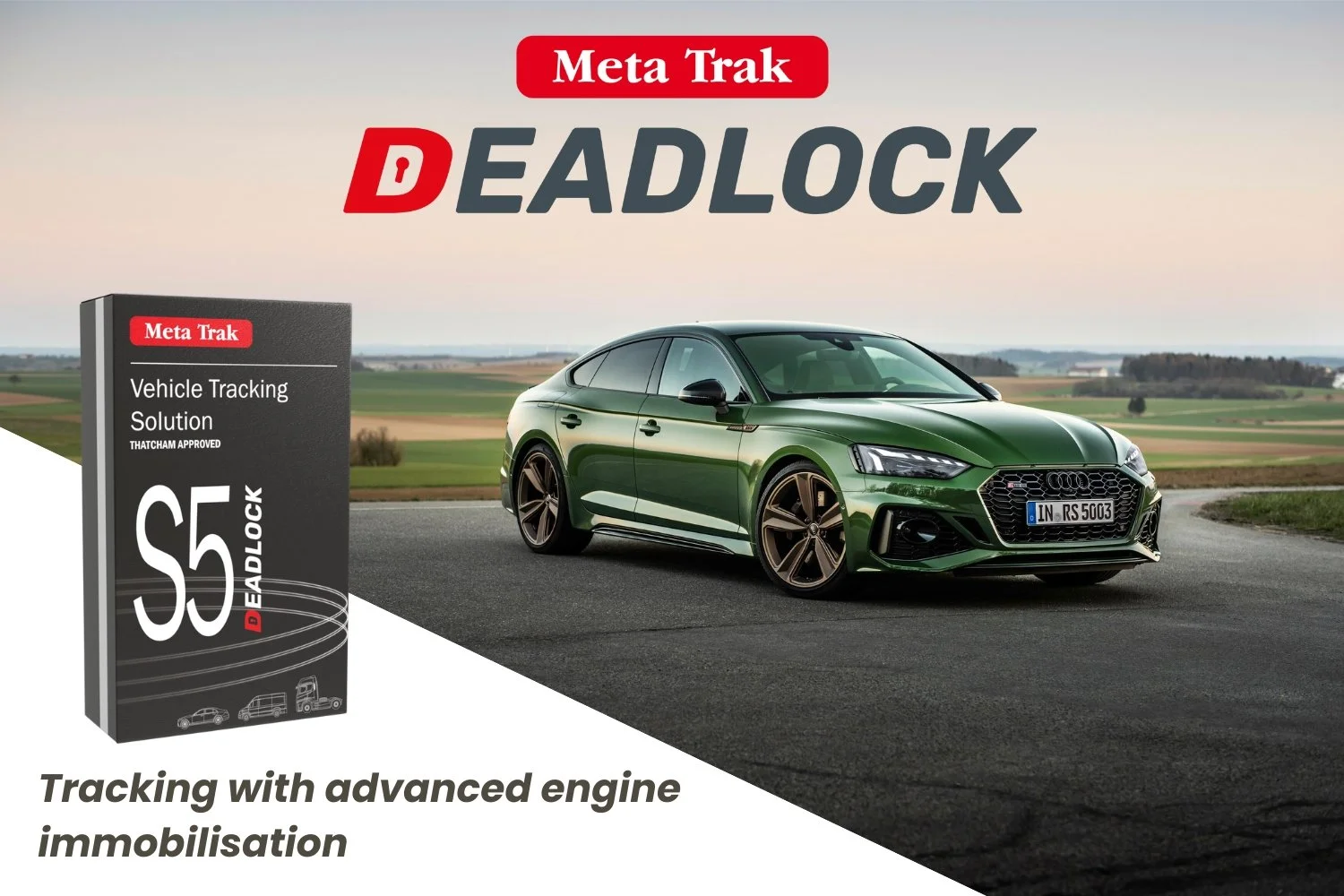
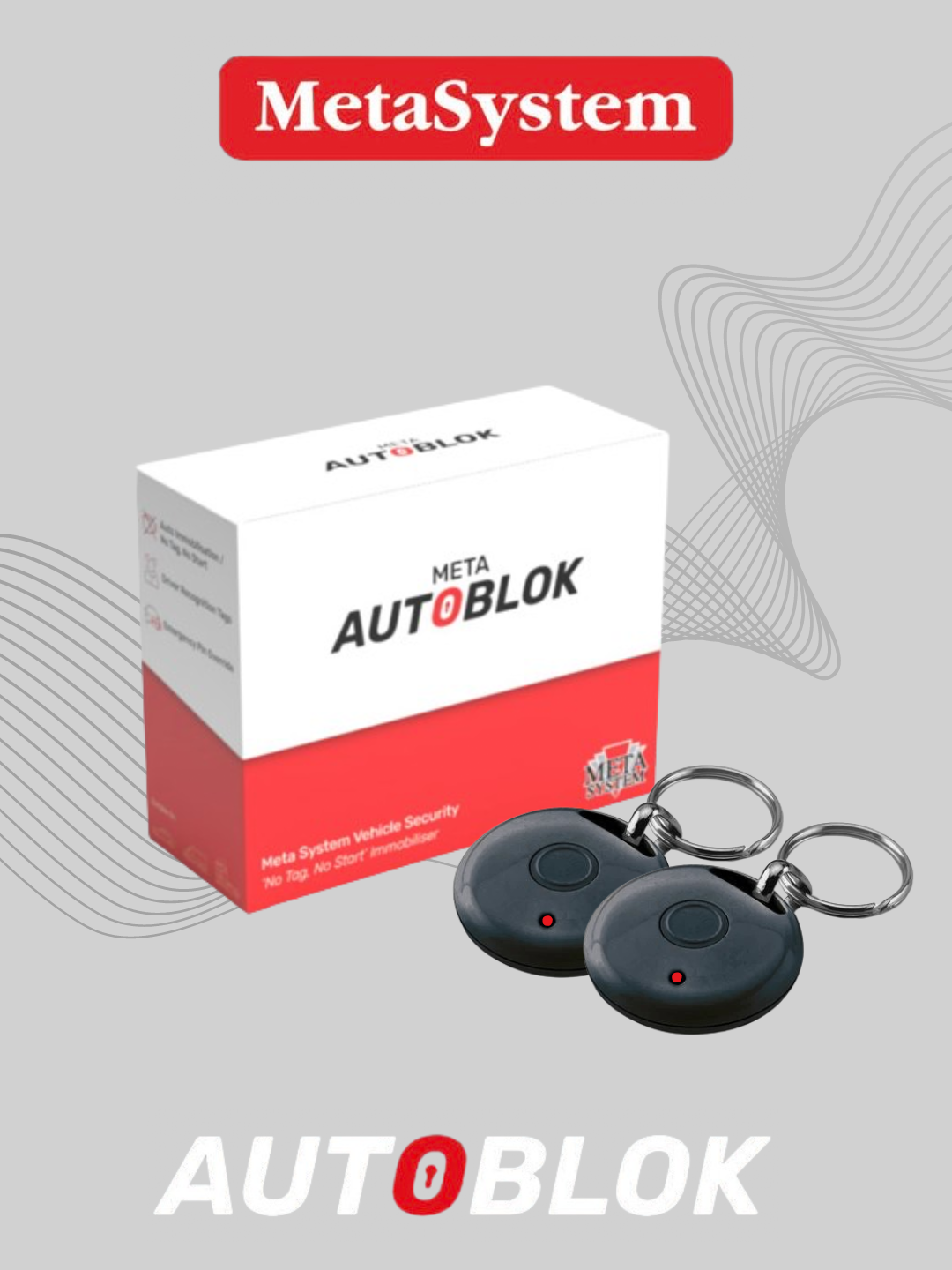
For most UK drivers, the best aftermarket car immobiliser is an ADR (Automatic Driver Recognition) engine immobiliser such as the Meta AUTOBLOK. It arms automatically when you walk away from the vehicle and disarms when your ID tag comes back into range. No PIN, no button presses, no way for relay attack or key cloning to bypass it and completely passive (automatic). For high-value, high-risk or insurance-stipulated vehicles, the best overall system is a combined tracker and immobiliser such as the Meta Trak S5 DEADLOCK, which adds Thatcham category S5 GPS tracking, automatic proximity-based engine/powertrain immobilisation and also gives you the ability to remotely immobilise (Deadlock) your vehicle from your smartphone or desktop PC. At Specialist Trackers UK, we always recommend a combined system as the best possible defence against modern digital theft methods.
Best immobiliser for keyless cars
Keyless vehicles are the most vulnerable to relay attacks, in which thieves amplify the signal from your key fob inside your home to unlock and start the car. The best immobiliser for a keyless car is an ADR system, because the vehicle will not start unless the encrypted ID tag is physically inside the car. The Meta AUTOBLOK and the Meta Trak S5 DEADLOCK both use ADR technology.
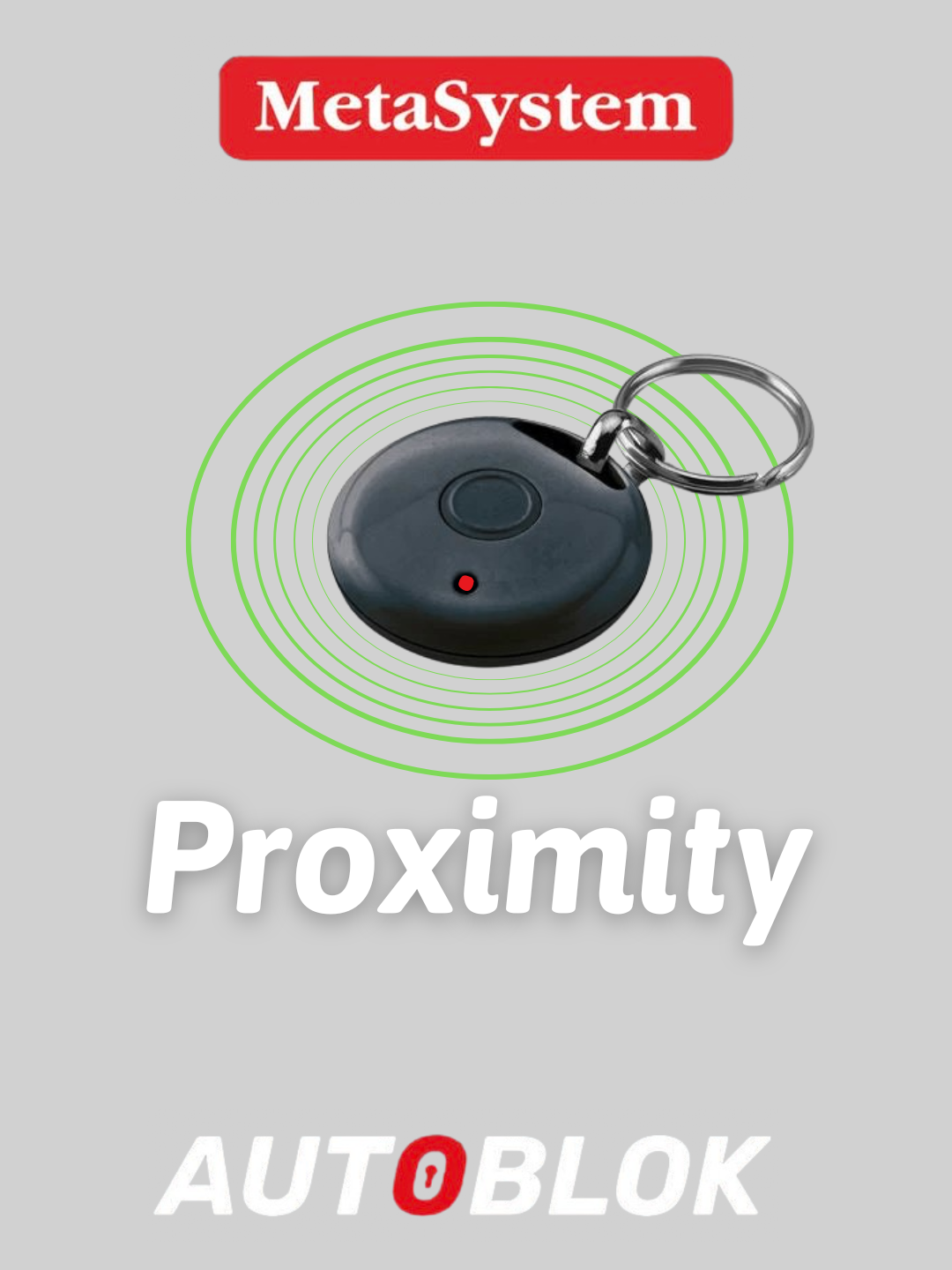
What is ADR? - Automatic Driver Recognition (ADR) is a system designed to enhance vehicle security. The driver carries a keyring tag (other forms exist) that can be attached to their personal belongings or to the vehicle keys. The aftermarket immobiliser will not disarm, and the engine will not start unless this ADR tag is in close proximity to the vehicle (No Tag, No Start). ADR immobilisers are fast, easy to use, and completely automatic. There is no need to physically interact with the immobiliser or enter any PIN sequence by pressing buttons inside the vehicle, as is required with CAN bus immobilisers.
Best immobiliser for insurance approval
If your insurer has specifically stipulated a Thatcham category S5 or S7 system, you need a combined tracker and immobiliser. The Meta Trak S5 DEADLOCK and the ScorpionTrack S5+ are both Thatcham S5 approved and include automatic immobilisation alongside live GPS tracking. Many insurers will accept these systems as a condition of cover on high-risk vehicles. In reality, it’s uncommon for insurers to request only an aftermarket immobiliser; they typically require the installation of both a tracking system and an immobiliser. The primary requirement is often for a Thatcham Category S5 tracker and an ADR immobiliser. The two systems we mentioned above include both features and are Thatcham-accredited and insurance-approved.
2. What is an immobiliser?
A vehicle immobiliser is an electronic anti‑theft device that interrupts the starter, ignition or fuel system until it recognises an authorised digital code, Bluetooth tag or PIN. If that code is missing, the engine will not start. It's important to note that while we often discuss the topic in terms of starting or preventing an engine from starting, immobilisers can actually be installed in fully electric vehicles, hybrid vehicles, or any type of powertrain for that matter, not just those with internal combustion engines, the same principles and processes apply no matter the type of powertrain.
Please keep in mind that specific immobilisers are designed to work with particular powertrain technologies. For example, the Meta Trak S5 DEADLOCK E-TEC has been developed specifically for fully electric and mild-hybrid powertrains, with a focus on brands such as Audi and BMW. It is also compatible with Bentley, Lamborghini, Porsche, Rolls Royce, and Mini vehicles. If you own a vehicle from any of these brands and have a mild-hybrid or fully electric powertrain, we recommend installing the Meta Trak S5 DEADLOCK E-TEC. This combined Thatcham S5 tracker and immobiliser system ensures effective immobilisation of electrified powertrains without faults.
Factory immobilisers have been mandatory on new UK cars since 1998, but unfortunately, they are now vulnerable to modern theft techniques such as relay attack, key cloning and CAN‑bus injection. Aftermarket immobilisers solve that weakness by working independently of your factory security. Whether you drive a modern keyless vehicle or a classic model from the 1990s, an add-on immobiliser serves as the first barrier against today's laptop-equipped thieves. Modern digital theft techniques take advantage of vulnerabilities in factory security systems. By installing an aftermarket immobiliser, you move your vehicle's starting authorisation away from the factory system that criminals exploit to a separate, independent layer. This means that even if thieves manage to exploit and bypass your vehicle's factory security system, they still won't be able to start your vehicle. This is because the start authorisation is now on a separate, independent layer (your aftermarket security system/immobiliser), which you personally control. The key to this layer is your immobiliser’s ADR tag, which is used to disarm it.
3. Why factory security isn’t enough in 2026
Relay theft: Thieves amplify your key‑fob’s signal from inside your house so the car unlocks and starts – usually in under 30 seconds.
OBD/CAN injection: Criminals plug into, or splice, the diagnostics wiring to trick ECUs into activating start authorisation.
Key cloning: A blank fob can be coded in seconds once thieves have access to the OBD port or with the use of a wireless key programmer.
A standalone ADR immobiliser (Automatic Driver Recognition) blocks every one of those methods because it will only disarm when it sees its own encrypted ID tag – not the vehicle key. Modern theft techniques exploit vulnerabilities in factory security, affecting the majority of vehicles on the road. They do not specifically target aftermarket security measures.
Key stat: UK insurers now specify a Category S5 tracker plus immobiliser for a growing list of high‑risk, keyless models.
CAN bus injection is particularly prevalent on Toyota vehicles — if you own a RAV4 we cover exactly how this attack works and how to stop it in our dedicated Toyota RAV4 CAN bus injection guide.
One of the most alarming developments in recent years is the headlight hack, where thieves access the CAN network directly through the headlight wiring. We cover exactly how this works in our dedicated headlight theft and CAN bus injection guide.
4. Types of aftermarket immobiliser
1. Stand-alone immobiliser
Best for: Everyday cars, hot hatches and high‑performance models
Key features: “No‑Tag‑No‑Start” ADR, passive arming, encrypted Bluetooth ID tags
Find out more: Engine immobilisers
2. OBD port blocker / OBD immobiliser
Best for: Vehicles vulnerable to diagnostic cloning (e.g. Ford Transit, Range Rover, BMW X5)
Key features: Physically disconnects OBD lines when armed; reactivate in two taps via app
Find out more: OBD blockers
3. Remote immobiliser
Best for: Fleet, leasing and hire‑car operators that need remote lockdown
Key features: Immobilise over‑the‑air through secure app/portal and receive instant confirmation
Find out more: Remote immobilisers
4. Tracker & immobiliser combo (S5+)
Best for: Premium, high‑risk or high‑value vehicles where insurers mandate Thatcham S5 security
Key features: 24/7 monitored GPS tracking plus automatic and remote immobilisation
Find out more: Tracker & immobiliser combo
5. Cat 2 and Cat 2E immobilisers
Best for: Classic and older cars never factory equipped (Cat 2), or adding a certified second layer to a modern vehicle that already has CAT2 factory immobilisation - pretty much anything manufactured after 1998(Cat 2E)
Key features: Cat 2 meets Thatcham dual circuit immobilisation standards. Cat 2E is the new Enhanced Electronic Immobiliser standard introduced in June 2026, isolating one circuit on top of the vehicle's existing factory immobiliser
Discover more in our blog about the new Thatcham CAT2E immobiliser standard. Thatcham Category 2E explained
6. CAN-bus immobiliser (Ghost-style)
Best for: When the vehicle owner wants a PIN-based disarm system
Key features: Custom disarm PIN sequence via existing steering-wheel or dash buttons, no RF signals, TASSA-approved.
Find out more: Not something STUK gets involved with currently
Spotlight: ADR immobiliser
An ADR immobiliser arms automatically when the ID tag leaves a 5–10 m bubble around your car. No tag? No start. Simple, silent and effective – exactly why insurers accept ADR technology as a valid theft‑prevention measure.
Shop stand-alone ADR Immobilisers or shop a combined system - Tracker and ADR immobiliser (recommended for better security and functionality)
5. Ghost immobiliser vs ADR immobiliser: which is better in 2026?
Both systems are highly effective at stopping modern digital theft, but they work in different ways and suit different drivers.
How they differ
An ADR immobiliser normally uses an encrypted Bluetooth ID tag that you carry on your keyring or in your pocket. The system arms automatically when the tag leaves close proximity to the vehicle, and disarms automatically when it returns. No input required. A Ghost immobiliser uses a custom PIN sequence entered via your car's existing buttons (steering wheel, dashboard, window switches) to disarm the engine. Nothing to carry, but you have to enter your unique PIN sequence every time you want to start the vehicle, which adds some friction to the passive nature of ADR immobilisers.
Which should you choose?
Choose an ADR system (Meta AUTOBLOK or Meta Trak S5 DEADLOCK) if you value convenience, want insurer-accepted Thatcham approval on the combined tracker version, and don't mind carrying a small ID tag. Choose a Ghost 2 if you prefer nothing extra to carry, you're happy entering a PIN each time when starting the vehicle.
Specialist Tracker UK tends to favour ADR immobilisers over CAN BUS immobilisers due to their increased user-friendliness in terms of day-to-day operation, service mode, and emergency disarming features. We find that customers generally prefer ADR immobiliser systems over PIN-based disarming procedures. This is not to say that we believe PIN systems are ineffective at combating modern digital theft; rather, we think that, from a usability perspective, most customers enjoy, prefer, and get along better with ADR immobiliser setups.
6. Tracker and immobiliser combos (S5+, No‑Tag‑No‑Start)
Pairing a live GPS tracker with an immobiliser gives you two layers of defence:
Prevention – The immobiliser stops modern theft methods in the first place.
Recovery – If your car is towed or your keys are stolen, the tracker offers recovery capabilities.
Our best‑seller, the Meta Trak S5 DEADLOCK, ships with dual ADR tags, automatic and remote engine immobilisation and Thatcham S5 tracking approval – everything insurers want in a single, professionally fitted package. Explore the full DEADLOCK range of products here.
7. Thatcham & insurance approval explained
Thatcham Category 1: A combined alarm and electronic immobiliser system.
Thatcham Category 2: A dual-circuit electronic immobiliser, which prevents the engine from starting without the correct electronic key fob or code.
Thatcham Category 2E: The Enhanced Electronic Immobiliser standard, introduced in June 2026. A single-circuit aftermarket immobiliser fitted on top of a vehicle's existing factory Category 2 system, adding a certified second layer of protection.
Thatcham Category 3: Mechanical immobilisers, like steering wheel locks or wheel clamps.
The new Category 2E standard, explained
Until June 2026, there was no formal Thatcham category covering single-circuit aftermarket immobilisers, despite insurers routinely requesting them because they are effective against modern digital theft. Category 2E closes that gap.
Category 2E is the Enhanced Electronic Immobiliser standard. It does not replace Category 2, it builds on it. A Category 2E system is only recognised where a compliant Category 2 immobiliser is already fitted, which in practice means most vehicles built from 1998 onwards qualify, since a factory-fitted Category 2 immobiliser has been standard on new vehicles since then. The factory system provides the baseline, and the accredited aftermarket immobiliser adds an independent second layer on top.
To be certified, a system must meet four requirements:
It enhances rather than replaces. Recognised only where a compliant Category 2 immobiliser already exists.
It is passive by design. The system arms itself automatically once the ignition is switched off or the key removed, with no driver action required, isolating at least one independent operating circuit.
It uses secure coded authentication. Disarming requires a valid rolling code, with no generic or universal override, and the system is kept entirely separate from the vehicle's central locking.
It is hardened against attack. Engineered to resist over wiring, component substitution, mechanical attack on the control unit and CAN replay. In practice this means every wire in the loom is the same colour and carries no markings, so no wire can be identified by sight, no connectors that could simply be unplugged, and normally a potted assembly that cannot be opened or tampered with.
Every model in the Meta Trak S5 DEADLOCK range incorporates a Category 2E accredited immobiliser. The accreditation applies to the immobiliser rather than to the combined system, so the range incorporates an accredited immobiliser rather than being accredited itself. That covers the standard Meta Trak S5 DEADLOCK, the DEADLOCK E-TEC for electrified powertrains, and the DEADLOCK PRO.
Because the standard is new, some insurers will not yet have it on their internal approved lists. If that happens, ask them to check the official Thatcham security certifications database directly. For the full detail on what Category 2E covers and how it compares to Category 2, read our complete guide to Thatcham Category 2E.
Where non-accredited immobilisers fit in
Thatcham accreditation is not the same thing as whether a product works. It is worth being clear about that, because a highly effective immobiliser can sit outside the categories entirely.
The Meta AUTOBLOK is a good example. It cannot hold Category 2E certification, and that comes down to specific technical criteria rather than any weakness in how it protects the vehicle. Category 2E requires uniform, unmarked wiring and no connectors, for instance, and a system supplied with colour-coded wiring or a plug-in loom cannot meet that requirement regardless of how well it immobilises the vehicle. Products in this position fall under what Thatcham refers to as Q Class, meaning non-categorised aftermarket systems.
What matters for your vehicle is the mechanism, and on that point the AUTOBLOK works in exactly the same way as a certified system. It is an ADR immobiliser fitted after the vehicle was built. It does not communicate with the factory security architecture; it uses its own encrypted ID tag, and the engine will not start without that tag present. Relay attack, key cloning, CAN bus injection and OBD attacks all work by compromising the factory system, and none of them reach an independent aftermarket immobiliser. Fitting an AUTOBLOK will genuinely prevent modern digital theft methods.
So the honest position is this. If your insurer specifically requires Thatcham accreditation, a Category S5 tracker, or proof of installation certificate, you need an accredited system such as the Meta Trak S5 DEADLOCK. If you are fitting security because you want your vehicle properly protected, a non-accredited ADR immobiliser delivers the same core protection at a lower cost. The certification changes what you can prove to an insurer. It does not change whether a thief can start your car.
Further categories:
Thatcham Category 2/1: An upgraded alarm system.
Thatcham Category 4: Mechanical wheel locking devices.
Thatcham Category S5 and S7: Tracking and recovery systems.
Q Class: Non-categorised aftermarket systems.
8. How much does a car immobiliser cost in the UK?
Pricing for a professionally fitted aftermarket immobiliser in the UK typically ranges from around £349 for an entry-level engine immobiliser to £659 or more for a fully featured combined Thatcham S5 tracker and immobiliser combo. At Specialist Trackers UK, supply and installation are always included in the price; a subscription may also be included where stated. There is no separate fitting fee.
| System Type | Example Product | Price |
|---|---|---|
| Stand-alone ADR immobiliser | Meta AUTOBLOK | £349Supplied & fitted |
| Thatcham S5 tracker and ADR immobiliser | ScorpionTrack S5+ | £469Supplied & fitted |
| Thatcham S5 tracker and Category 2E accredited immobiliser | Meta Trak S5 DEADLOCK | £659Supplied, fitted & inc 1st year sub |
| Thatcham S5 tracker and Category 2E accredited immobiliser for hybrid and electric vehicles | Meta Trak S5 DEADLOCK E-TEC | £789Supplied, fitted & inc 1st year sub |
| Thatcham S5 tracker, Category 2E accredited immobiliser & OBD immobiliser | Meta Trak S5 DEADLOCK PRO | £789Supplied, fitted & inc 1st year sub |
Pricing accurate at time of publishing.
All prices include supply and installation by a brand-approved engineer at your home, workplace or dealership, anywhere in the UK. Standard turnaround is 2-5 days from booking. Finance options are available on most systems. For a precise quote tailored to your vehicle and your insurer's requirements, use our Intelligent Product Advisor or call 0330 133 3990.
9. How ordering and installation work
Our process is genuinely simple. You place your order online through our website exactly like any other purchase. Everything you need is included in the price, supply, delivery (if applicable) and full professional installation. Here is what happens from the moment you add a system to your cart.
From order to installation in 2 to 5 days
No awkward quote forms. No waiting for a callback before you can buy. Place your order when you're ready, and we'll take care of the rest.
Pay securely online. Supply, delivery and full professional installation are all included in the price. There is nothing else to pay.
Usually within a few hours of your order. We'll confirm your vehicle, your preferred installation location (home, workplace or dealership) and agree a date and time that suits you. Your system is shipped directly to your engineer, who will bring it to the appointment. You don't need to wait in for a delivery.
Installation is carried out at your chosen location. Most systems take 1 to 3 hours depending on the vehicle and the system fitted.
Your engineer will demonstrate the full operation of the system, answer any questions and issue your installation certificate for your insurer. That's it, your vehicle is protected.
suits your vehicle?
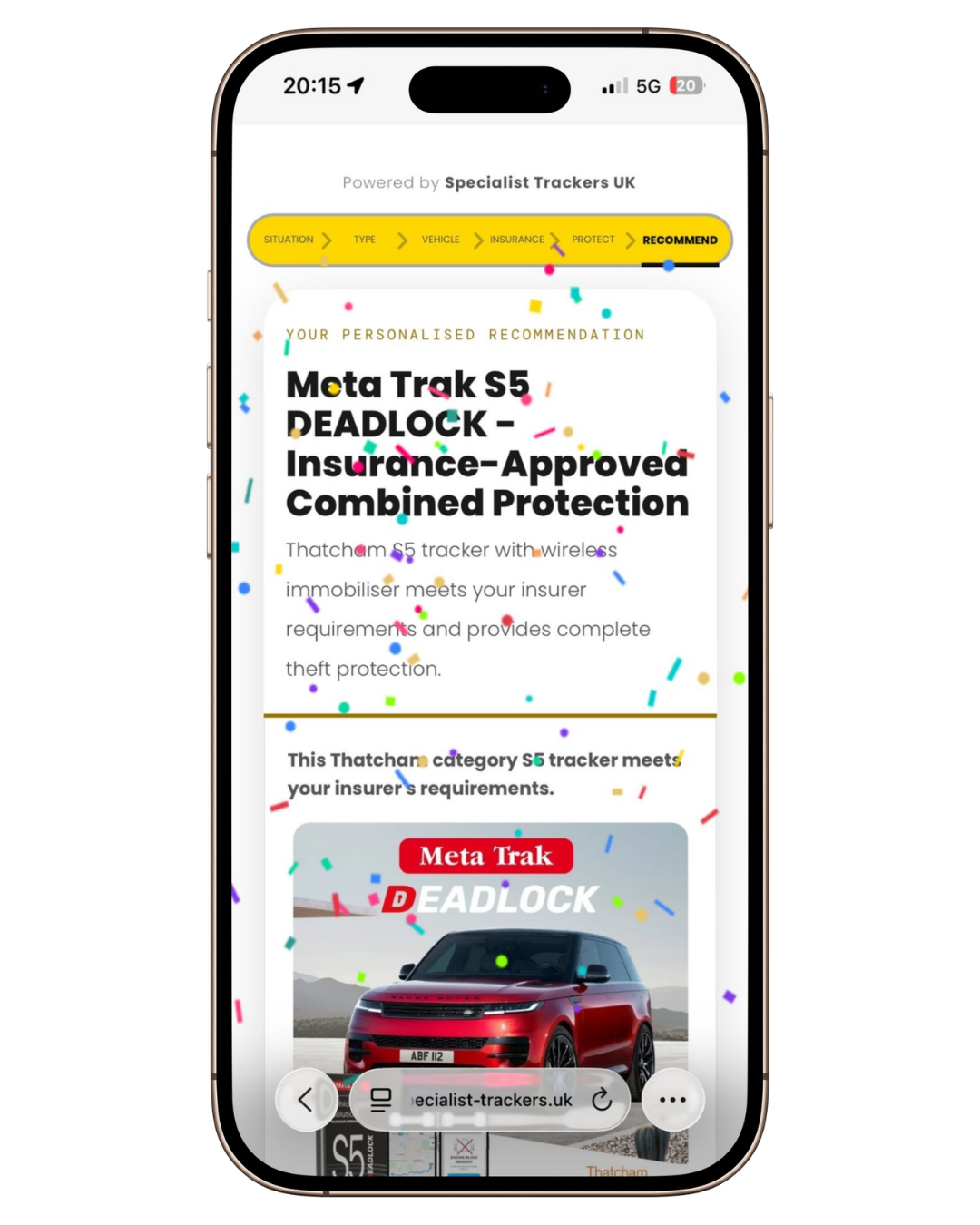
10. How to pick the right immobiliser for your vehicle
Ask yourself:
Threat profile – Is your car keyless? Parked on the street? Highly attractive to thieves? Is it a performance model?
Usage – Do you lend or lease the vehicle? Need remote immobilisation?
Insurer stipulations – Does your policy insist on Thatcham category S7, S5, or Cat 2 compliance? Do you need an ADR immobiliser?
Budget vs value – Remember, a stolen car will cost you more than any security system.
Specialist Trackers UK always recommend a combined tracker and immobiliser system to provide adequate modern vehicle security
Our specialists can match you with the perfect solution in minutes – Use our Intelligent Product Advisor above or call 0330 133 3990
Tap any question to expand the answer.
For most UK drivers, the best aftermarket car immobiliser is an ADR (Automatic Driver Recognition) engine immobiliser such as the Meta AUTOBLOK. It arms automatically when you walk away and disarms when your ID tag comes back into range. No buttons, no PIN to remember, and completely passive in operation.
For high-risk vehicles or those where an insurer requires Thatcham S5, a combined tracker and immobiliser system such as the Meta Trak S5 DEADLOCK is the most comprehensive option available. At Specialist Trackers UK we always recommend a combined system as the best possible protection against modern digital theft.
ADR stands for Automatic Driver Recognition. An ADR immobiliser arms automatically when its ID tag moves out of range of the vehicle (typically 5 to 10 metres) and disarms automatically when the tag comes back into range. There is no manual arming required, the system is always working without any input from the driver.
This makes it highly resistant to relay attack and key cloning because the vehicle will not start without the physical presence of the ID tag. ADR systems are very user-friendly as they require no manual input in day-to-day operation.
Every new vehicle sold in the UK since 1998 has a factory fitted immobiliser as standard. It is original equipment, wired into the vehicle from build, interconnected with the vehicle’s communication network and in constant contact with the manufacturer’s own electronic systems. That interconnection is exactly what makes it vulnerable. Relay attack, key cloning, CAN bus injection and OBD attacks all work by exploiting a factory security weakness so the vehicle’s own electronics are told a valid key is present, and those electronics then instruct the factory fitted immobiliser to disarm. It obeys, because the instruction came from the systems it was built to trust.
An aftermarket immobiliser is fitted after the vehicle was built. It is not wired into the manufacturer’s security architecture and does not communicate with it, using its own encrypted ID tag or PIN sequence instead. A factory security exploit does not reach it, so the vehicle will not start regardless of what the car’s own electronics have been told.
Yes, in many cases. UK insurers increasingly require aftermarket immobilisers for high-risk vehicles such as Range Rovers, Defenders, Audis, BMWs and increasingly Toyota and Lexus models. Fitting an aftermarket immobiliser can make you eligible for cover you would otherwise be refused, and often results in a meaningful premium reduction.
Always confirm with your insurer, as some offer no discount. Regardless, it is a sound investment in your vehicle’s security and it significantly improves resistance to modern theft techniques.
At Specialist Trackers UK, installation is included in the product price with no separate fitting charge. A standalone ADR immobiliser such as the Meta AUTOBLOK starts from £349. A PIN-based CAN bus immobiliser such as the Autowatch Ghost 2 starts from £499. A Thatcham S5 combined tracker and immobiliser such as the Meta Trak S5 DEADLOCK starts from £659 including the first year subscription.
All prices include supply and professional installation by a brand-approved engineer at your home, workplace or dealership, typically within 2 to 5 days of purchase.
The Autowatch Ghost 2 itself is not Thatcham-accredited, but pairing it with a Thatcham-approved tracker usually satisfies insurers. For a combined system, the Meta Trak S5 DEADLOCK pairs a Thatcham Category S5 tracker with a Category 2E accredited immobiliser, and is accepted by the majority of UK insurers as a condition of cover on high-risk vehicles.
No security system is completely immune to a determined and well-resourced thief, and CAN bus immobilisers are no exception. However, the Autowatch Ghost 2 is widely regarded as one of the most secure aftermarket immobilisers available in the UK. The unique PIN sequence must be entered physically inside the vehicle using the car’s own buttons, which means relay attack, key cloning and CAN bus injection techniques cannot bypass it.
For maximum protection, we recommend pairing a Ghost 2 with a Thatcham S5 tracker, giving you both theft prevention and recovery capability in a single package.
An OBD port immobiliser interrupts the data lines between your car’s diagnostics socket and the onboard ECUs. Until you unblock it via the companion app, thieves cannot programme new keys or inject CAN commands through the port. It is particularly effective on vehicles known to be vulnerable to OBD key cloning, such as certain Ford, Range Rover and BMW models.
Thatcham Category 2 covers electronic immobilisation only, using a dual-circuit cut, and does not require any existing immobiliser to be fitted. Category 1 bundles an alarm plus an immobiliser, and is now largely superseded by Thatcham Category S5 combined tracker and immobiliser packages.
Category 2E is the newest of the three, introduced in June 2026 as the Enhanced Electronic Immobiliser standard. It isolates a single circuit and is only recognised where a factory fitted Category 2 immobiliser is already present, which covers most vehicles built from 1998 onwards. It adds an accredited independent layer on top rather than standing in for the factory system. Full detail in our complete guide to Thatcham Category 2E.
No. Accreditation tells you a product has passed a specific set of Thatcham test criteria, and those criteria include construction requirements such as uniform, unmarked wiring and no connectors that a perfectly effective immobiliser may not meet.
A non-accredited ADR immobiliser such as the Meta AUTOBLOK still operates independently of your factory security, still uses its own encrypted ID tag, and still prevents relay attack, key cloning, CAN bus injection and OBD attacks, because those methods all work by compromising the factory system rather than the aftermarket one. Accreditation matters when your insurer requires proof. It does not determine whether the system stops a thief.
No. Quality aftermarket immobiliser units draw less than 0.04 mA in standby, which is less than your factory alarm and standard OEM electrical architecture. Battery drain is not a concern with any of the systems we supply and install.
Yes. If you have a combined tracker and immobiliser system installed, simply switch the system to service mode before handing the vehicle to your garage. This temporarily suspends the immobiliser so the engineer can work on the car without triggering the system. Full instructions are provided at installation.
If your immobiliser is paired with a tracker, open the system’s smartphone app (also accessible via browser), navigate to device modes and send a remote command to disarm the immobiliser. Your vehicle will start without the ADR tag present.
If you have a standalone immobiliser, use the emergency override button and enter your unique PIN code to disarm the system. In either case, order a replacement ADR tag from the hardware manufacturer as soon as possible.
Professional installation of a standalone engine immobiliser typically takes 1 to 2 hours. Combined tracker and immobiliser systems may take 2 to 3 hours depending on the vehicle and system. Your engineer will carry out a full demonstration before leaving and issue your installation certificate on the same day.
A professionally installed, brand-approved immobiliser fitted by a trained engineer should not affect your vehicle warranty under UK consumer law. However, if you have specific concerns about your manufacturer’s warranty terms, it is worth confirming with your dealer before installation.
Ready to stop thieves in their tracks?
Use our Intelligent Product Advisor for a tailored recommendation, or speak to a vehicle security specialist directly. Either way, you'll have the right system identified today and a professional installation booked within the week.